Groundwork SourcingChina production control
Buyer's guide · updated July 27, 2026

China sourcing agents: what they cost, and how to vet one.

A China sourcing agent works for the buyer for a disclosed fee — typically 3–10% of order value — while a trading company buys from the factory and resells to you at a margin you never see. The difference decides who owns quality control when a bulk run goes wrong.

This page is written for brands and importers who have never hired one before. It covers the four fee structures, what inspections actually cost, the seven questions that separate a real agent from a reseller, and how to pay without exposing your deposit. No email required — everything is on this page.

Fees

What does a China sourcing agent cost?

Most China sourcing agents charge 3–10% of order value, with 5–6% the common band for first orders. Retainers run roughly $1,000–3,000 per month.

The fee model matters more than the headline percentage, because each one fails in a different way. The cheapest quoted rate is often the one with a second, undisclosed margin behind it.

China sourcing agent fee structures compared (2026)
Fee modelTypical rangeBest forWhat to watch
Commission on order value 3–10% (5–6% typical) First orders and programs under about $50,000 An agent can also take a hidden margin from the factory. Ask, in writing, whether they accept any payment from the supplier side.
Flat monthly retainer ~$1,000–3,000 / month Ongoing multi-SKU programs with steady volume You pay in months when nothing ships. Only rational once volume is predictable.
Per-service (inspection only) ~$200–320 per man-day Buyers who already have a factory they trust Nobody owns the whole order. Inspection finds the defect; it does not get it fixed.
Trading company (buy & resell) Quoted price only — margin undisclosed Speed, and very small quantities You never see the factory price, so you cannot tell a cost increase from a margin increase.

Ranges are industry norms for consumer goods sourced in China, not a Groundwork quote. Inspection man-day rates reflect published 2026 third-party pricing; major-brand inspectors quote from about $290–309 per man-day in China.

Structures

Is a sourcing agent the same as a trading company?

No. An agent represents the buyer and is paid a disclosed fee. A trading company buys the goods itself and resells them to you at an undisclosed markup.

Both will answer your email in good English, and both will call themselves a "supplier." The difference only becomes visible when a shipment is late or a run comes back off-spec — because it decides whose money is at risk.

Sourcing agent vs trading company vs buying direct from the factory
 Sourcing agentTrading companyDirect from factory
Works forThe buyerItselfItself
How it is paidDisclosed fee or commissionUndisclosed resale marginYour purchase price
Do you see the factory price?Usually yesNoYes
Who owns quality controlThe agent, if contracted for itNobody, in practiceThe factory inspects its own work
Who fixes a defective runThe agent negotiates reworkYou negotiate with the resellerYou negotiate alone, in Chinese, 12 time zones away
Small or test ordersUsually possibleUsually possibleOften refused below MOQ
Main riskAgent takes a second margin you cannot seePrice and source both opaqueNo one on the floor representing you
Vetting

How do you tell a real sourcing agent from a reseller?

Ask seven questions in writing. A real agent answers all seven in a day; a reseller deflects on the ones about money and factory access.

  1. 1 · Who pays you?

    Get it in writing that they take no commission, rebate, or kickback from the supplier side. This is the standard question a legitimate agent expects.

  2. 2 · Can I see the factory's business license and a live video walk?

    Not a recorded tour — a live call from the line running your product category. A reseller cannot produce this on request.

  3. 3 · When do you inspect?

    During production, or only after the factory says it's finished? This single answer predicts whether defects get fixed or shipped.

  4. 4 · Who pays for rework when a defect is found mid-run?

    If the answer is "we'll discuss it then," you are the one who will pay.

  5. 5 · Do you mark up inspection and testing?

    Third-party inspection has a public market price. Ask whether it is billed at cost or resold to you at a margin.

  6. 6 · Where does my payment go?

    A company account, staged against production milestones. Never a personal account. Never 100% up front.

  7. 7 · Can we start with a sample or a small test run?

    An agent confident in their factory will let you verify at low financial exposure before volume.

Inspection timing

What is DUPRO inspection, and why does it beat final inspection?

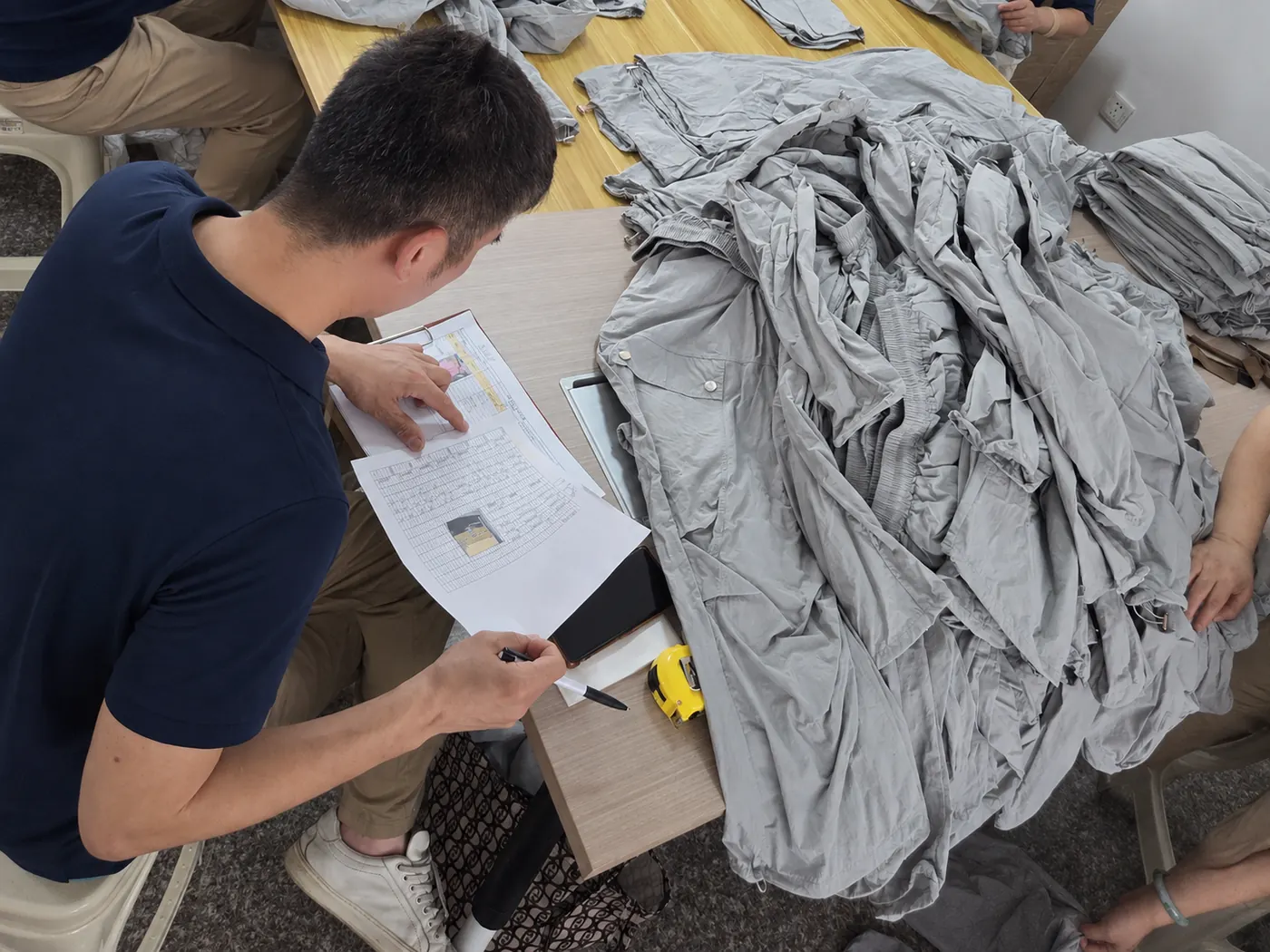
DUPRO means during-production inspection: checking while the line is still running, so defects can be corrected mid-run instead of discovered after the full quantity is finished.

Most agents inspect once, at the end. That is the cheapest option for the agent and the most expensive one for the buyer — a final inspection can only tell you the entire run is already wrong, at which point the choices are rework the whole quantity, ship it anyway, or miss the season.

The four inspection checkpoints, and what each one can still save
CheckpointWhen it runsWhat it catchesWhat it can still save
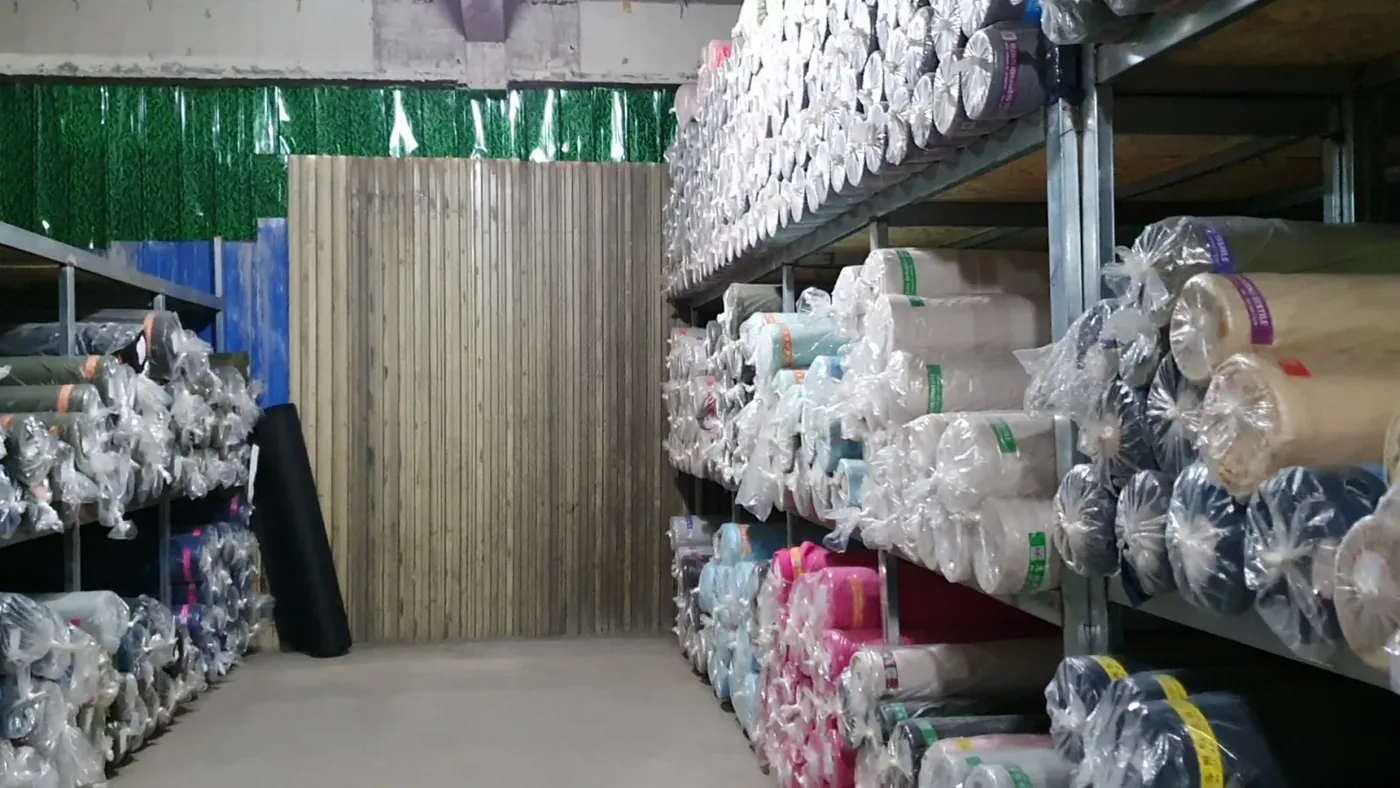
IQC — incoming materialsBefore cutting or assemblyWrong fabric weight, off colorway, substituted componentsThe entire run — the defect never enters production
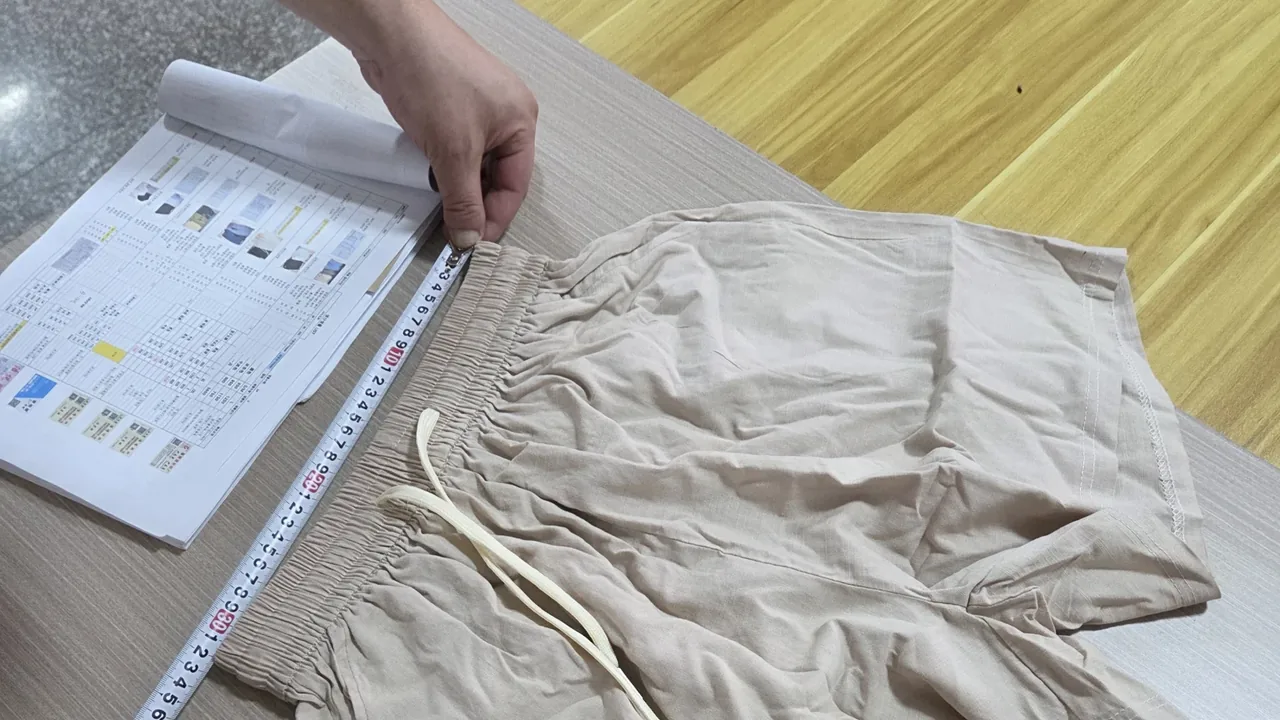
IPQC / DUPRO — in-processWhile the line is runningDrifting measurements, seam and assembly faults, workmanshipEverything not yet built. Correction happens on the line.
FQC — finalAfter production finishesDefects across the finished quantityOnly the decision to ship or rework. Cost is already sunk.
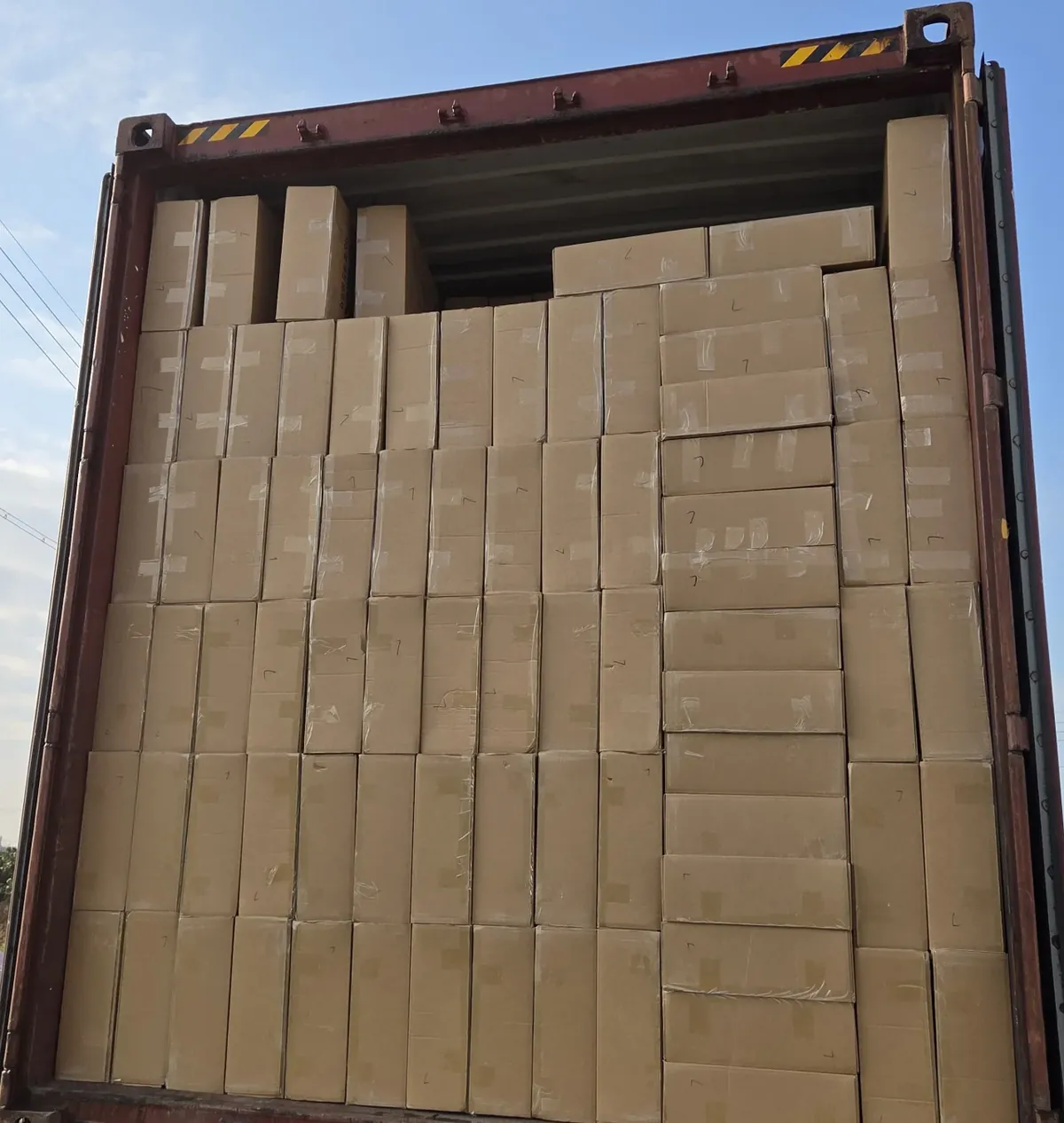
OQC / PDI — pre-dispatchBefore the container loadsWrong quantities, packing, labels, cartons, mixed SKUsThe freight cost of shipping the wrong thing

Groundwork runs all four on every order and re-inspects in house after the factory reports "done." See how the four checkpoints work, with real in-line footage.

Red flags

How do you know a "factory" on Alibaba is not a reseller?

Match the business license name to the bank account name, then ask for a live video walk of the line. Resellers fail one of those two, every time.

Marketplace listings do not distinguish manufacturers from trading companies in any way you can rely on. The practical checks:

Groundwork physically visits and verifies a factory is a real manufacturer before any order — see what a factory visit actually checks.

Payment

How do you pay a China sourcing agent safely?

Pay a company bank account in stages tied to production milestones. Never pay a personal account, and never pay 100% up front.

The common structure is a deposit against material purchase, a balance against production milestones, and final payment released after the pre-dispatch inspection report — not before it. A request to pay a personal account, or to pay the full amount before production starts, is the point to stop, regardless of how the relationship has felt so far.

Where we fit

Where Groundwork sits in this picture.

We are the agent side of the table: we verify the factory is a real manufacturer, control the order on the ground in Yiwu, run all four inspection checkpoints including during production, and re-inspect in house after the factory says it's finished. Deeper inspection — third-party PSI, lab testing, tighter AQL — is billed at cost, with no markup.

Our fee structure is disclosed in writing before any introduction, and we start new buyers on a sample or a small test order. Strongest categories: baby and pet strollers, apparel, bags and hats.

Get a free cost-down + risk read
Straight answers

Questions buyers ask about hiring an agent.

How much does a China sourcing agent charge?

Commission-based agents typically charge 3–10% of order value, with 5–6% the common band for a first order. Retainers run roughly $1,000–3,000 per month, and inspection-only services are priced per man-day, around $200–320. Ask for the structure in writing before you send anything.

Is a sourcing agent worth it for a small order?

For a first order it usually is, because the failure you are insuring against — a bulk run that does not match the approved sample — costs more than the fee. For repeat orders from a factory you have already verified and inspected several times, per-service inspection alone can be enough.

What is the difference between DUPRO and final inspection?

DUPRO (during-production inspection) runs while the line is still producing, so a defect can be corrected mid-run. Final inspection runs after the quantity is finished, so the same defect is now spread across the whole order and the only options are rework, ship, or miss the date.

Can a sourcing agent take money from the factory too?

Yes, and this is the main hidden cost in the industry. Ask directly, in writing, whether the agent accepts any commission, rebate or kickback from the supplier side. A legitimate agent expects the question and answers it plainly.

Should I pay a sourcing agent before production starts?

Not in full. Pay a company account in stages tied to production milestones, with the final payment released after the pre-dispatch inspection report. Requests for a personal account or 100% up front are the standard warning sign.