Three 11-Ton Trucks, One Store: Where the Overstock Goes
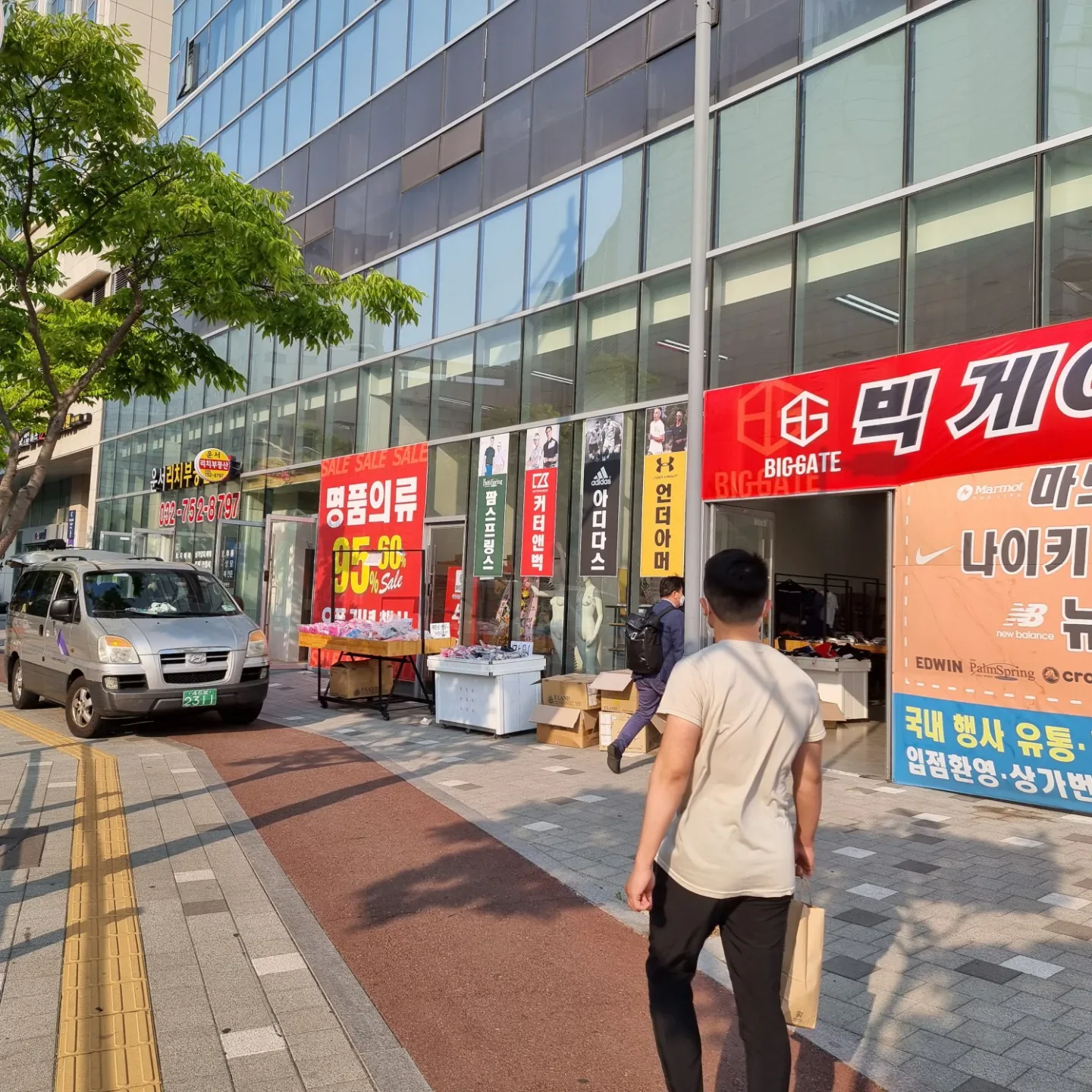
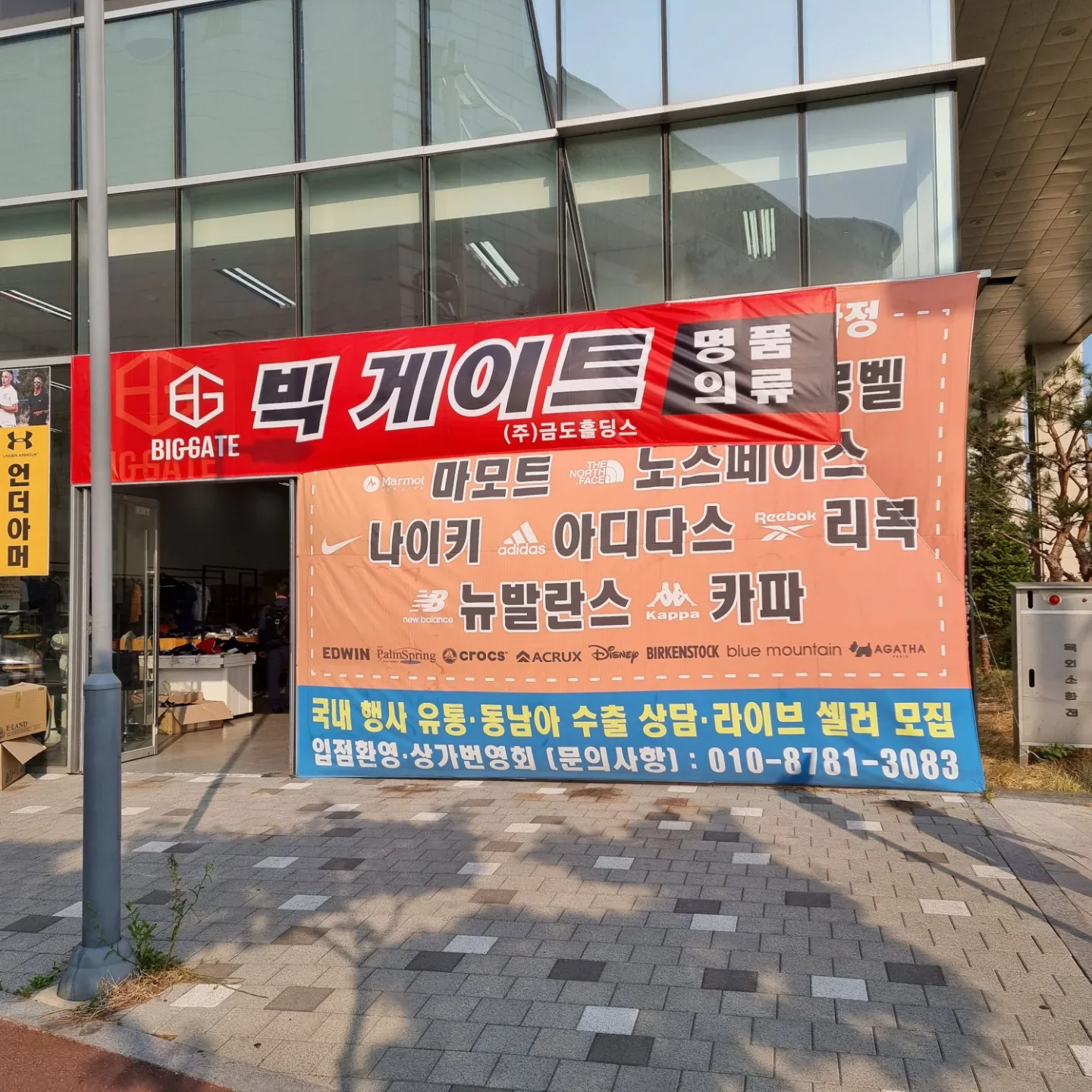
Three 11-ton trucks unloaded at a single storefront in Unseo, Incheon. The racks went up, the floor filled, and everything that did not fit on the floor went into the stockroom behind it. The store sits a few minutes by train from Incheon International Airport. Anyone flying into Korea to look at inventory could be standing in it within an hour of clearing customs, which is a large part of why we are writing about it. The other part is this: a buyer evaluating an overstock supplier eventually has to ask what happens to the goods after the pallets leave the warehouse. This post is that answer, photographed.
Three Truckloads Into One Storefront The delivery to this location was three 11-ton trucks. For scale, a single intake at our Gonjiam warehouse fills five. One store on one street took more than half of what arrives in a single buy. That ratio is the honest version of the phrase "we move volume." We are not describing a business that acquires inventory and waits for an export inquiry. The goods are already committed to a domestic channel before anyone overseas calls.
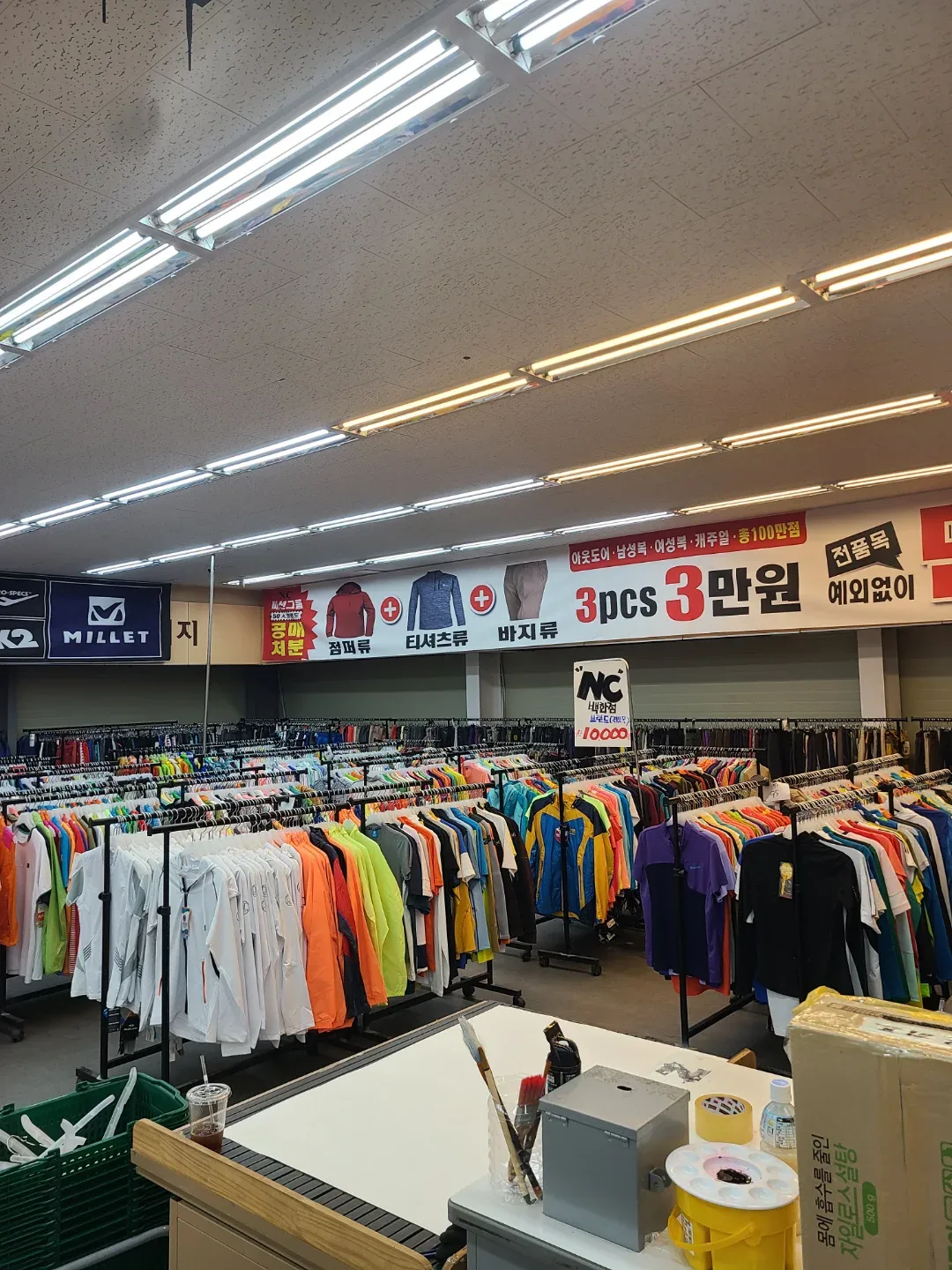
The Floor Is Not the Inventory What you see inside is the display floor: racked outerwear, shirts, and pants, arranged by category rather than by brand. It looks like a lot of clothing. It is a fraction of what was delivered. The balance sits in the stockroom behind the selling floor and comes forward as the racks sell down. Any retail operation working with clearance inventory runs this way, because the floor holds what customers can shop, not what the operator owns. This matters to an overseas buyer for a specific reason. When we quote you a lot, the quantity behind it is real quantity, not a display allocation. The size runs and color breaks that never make it onto a rack are exactly the units that make an export lot work.
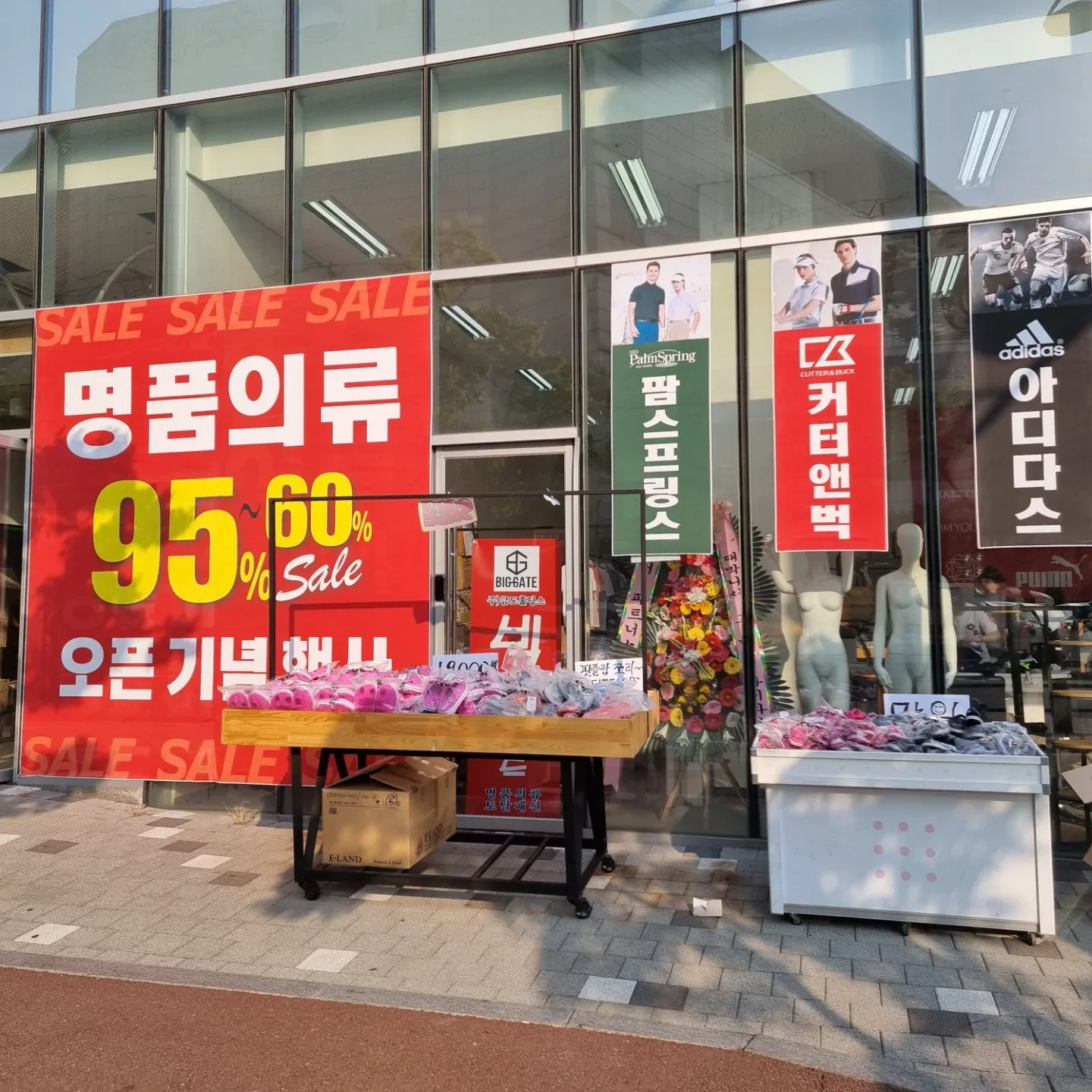
What the Signage Tells You The banner over the entrance lists the labels carried inside: global athletic and outdoor names alongside Korean golf and casual labels. The corporate name underneath it is ours. Read the banner as a category map rather than a brag. Athletic apparel, outdoor and technical outerwear, golf, footwear, denim, kids. That mix is what Korean department store and brand-channel clearance actually produces, and it is the same mix that shows up in an export lot. The pricing signage tells you something too. Korean clearance retail runs on deep, visible markdowns, and the goods still move fast enough to justify three truckloads at a time. If the domestic channel could not absorb inventory at this pace, we could not buy at the scale we buy.
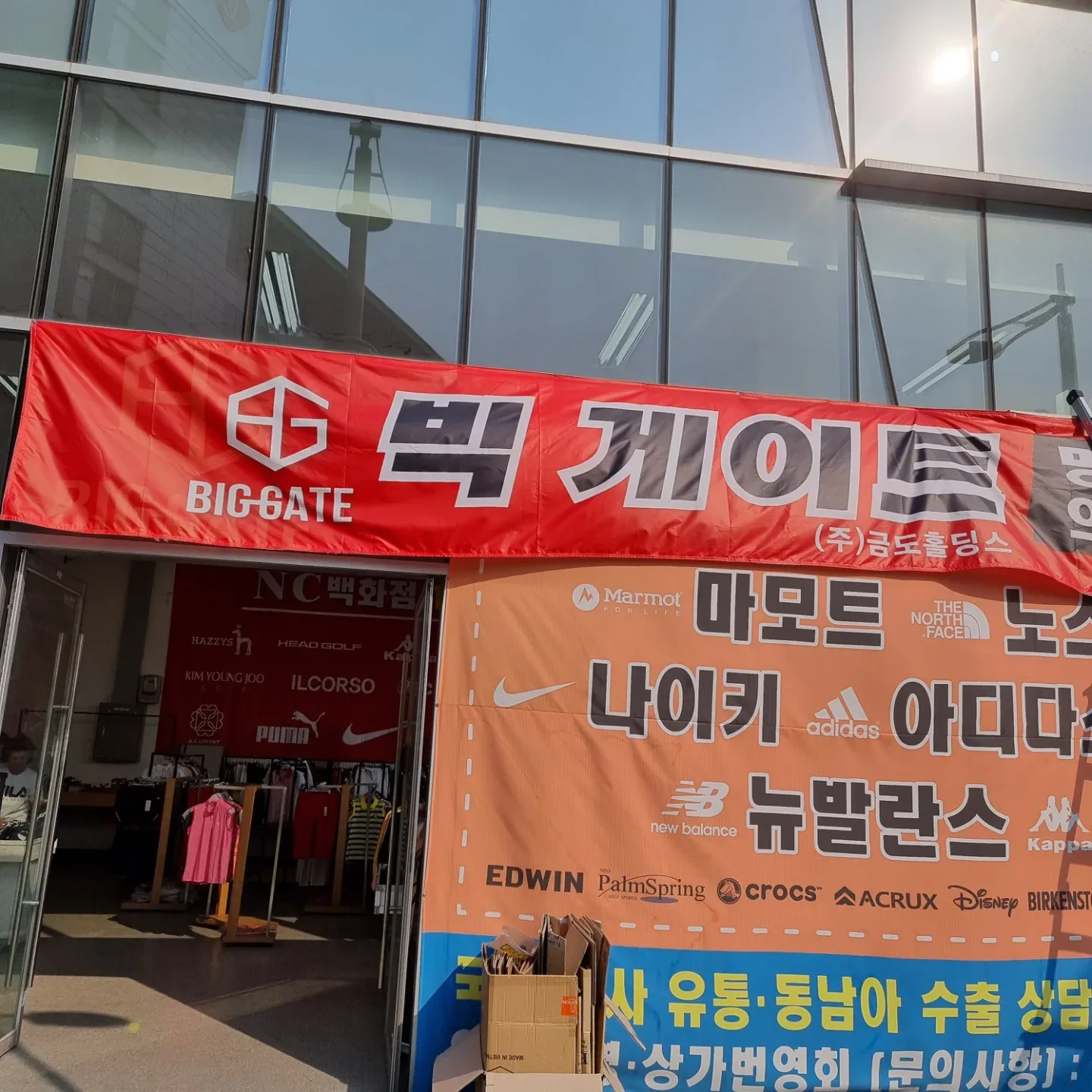
This Is One Store, Not the Only One KEUMDO HOLDINGS CO., LTD. supplies a number of offline retail operations across Korea. The Incheon location is one of them, opened recently, which is why it photographs well: the floor is full and nothing has been picked over yet. We are not going to publish a store count, because store counts change and we would rather not print a number we have to keep correcting. What is verifiable is the delivery record for this location and the fact that the same warehouse supplies several others. How Goods Get From Gonjiam to a Retail Rack
- Bulk intake at the Gonjiam warehouse. Five 11-ton trucks in a single arrival, tens of thousands of units.
- Sort by category, style, color, and size run. This is the step that turns a truckload into something that can be described on paper.
- Allocate against a retail operator’s order, or hold for an export lot.
- Load out. Three 11-ton trucks to this location.
- The display floor takes what fits on the racks. The stockroom behind takes the rest.
- Restock forward as the floor sells down, and report what moved and what did not.
Step six is the part nobody photographs and the part we pay attention to. Knowing which categories clear at retail and which sit is how we decide what to buy next, and it is the same information that makes an export lot worth buying.
Why an Overseas Buyer Should Care You can inspect goods in two different states in Korea, and they answer different questions. Gonjiam warehouse Incheon retail floor What you are looking at Bulk lots by carton, sorted by style and size run The same class of goods hung, priced, and selling Useful for Judging lot composition, grade, and what quantity exists Judging what moves, and how deep the markdown has to go Time from Incheon airport Roughly 90 minutes by car A few minutes by train What you can take away A packing list A read on sell-through before you commit
Buyers who come for one day usually do the warehouse. Buyers who are building a program do both, because the retail floor shows you what the Korean market has already decided about these goods before you place a bet on them in yours.
